
Pelvic Pain in Pregnancy- How can we help??

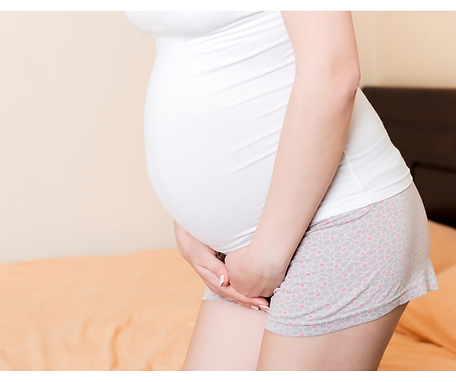
Pregnancy is an incredible journey, but it’s not always comfortable—especially when it comes to pelvic pain. As pelvic floor physical therapists, we see many pregnant patients who start to notice pain in their hips, low back, or pubic bone and wonder if it’s normal. While pelvic pain in pregnancy is common, that doesn’t mean it’s something you have to live with.
Why Pelvic Pain Happens During Pregnancy
As your body changes to make room for your growing baby, your ligaments and joints become more flexible thanks to a hormone called relaxin. This softening is essential for childbirth, but it can also lead to instability in the pelvis—particularly at the pubic symphysis in the front and the sacroiliac joints in the back.
At the same time, your abdominal and hip muscles stretch, and your pelvic floor muscles often step in to help stabilize the body. Sometimes they become overworked or tense, which can lead to pain or discomfort.
Common triggers include:
Prolonged standing or walking
Rolling over in bed or getting in and out of a car
Climbing stairs
Lifting or carrying items
What Pelvic Pain Feels Like
Pelvic pain can show up in a variety of ways during pregnancy, including:
Sharp pain at the pubic bone (often called pubic symphysis dysfunction)
Deep aching or soreness in the hips or buttocks
Pain radiating into the groin or inner thighs
Lower back pain that worsens with movement
A feeling of heaviness or pressure in the pelvis
If any of these symptoms sound familiar, you’re not alone—and help is available.
How Prenatal Physical Therapy Can Help
Prenatal physical therapy focuses on improving alignment, mobility, and muscular balance to reduce pain and prepare your body for birth. During pelvic floor therapy, we take a whole-body approach to understand what’s driving your discomfort.
Your treatment plan may include:
Gentle exercises to strengthen and support the pelvis and hips
Hands-on techniques to release tight muscles and improve joint mobility
Postural and body mechanics education
Strategies for daily movements—like turning in bed or walking—to protect your pelvis
Breathing and relaxation techniques to reduce tension in the pelvic floor
Every plan is personalized to your unique body and stage of pregnancy.
You Deserve to Feel Comfortable During Pregnancy
Pelvic pain during pregnancy is common, but it’s not “just part of the process.” Addressing pain early can help you stay active, sleep better, and feel more at ease as your body changes. It can also make recovery after birth smoother and less stressful.
If you’re in the Northern Virginia area and struggling with pelvic, hip, or lower back pain during pregnancy, pelvic floor physical therapy can help you move more comfortably and prepare your body for birth.Reach out to schedule an appointment with us because we understand the unique needs of pregnancy and can help you feel supported every step of the way.


Comments